










(English) The world’s oldest man is Yisrael Kristal.
16.09.2016(English) US asks Deutsche Bank for $14 bn to settle mortgage investigation
16.09.2016I wanted to keep the war away from my family but I brought the war with me every time I opened the door.
Threatening, deeply hurtful, or very upsetting experiences that leave you feeling helpless and hopeless will trigger a fight, flight, or freeze response, which is your nervous system’s reaction to danger. Normally, you recover in a few days or weeks, but when you don’t, you may be suffering from PTSD. Painful and disabling as it may be, PTSD is a stress response amenable to change. You can begin doing things to alleviate your PTSD symptoms and take back control of your life.
Studies conducted in war zones indicate that exposure to the traumatic event leads to the development of PTSD in childhood and adulthood. Different studies have been performed to determine the incidence of PTSD resulting from exposure to traumatic events. Studies from different conflicts have produced results that range from a high incidence to low incidence of children with PTSD who had been exposed to war and conflicts
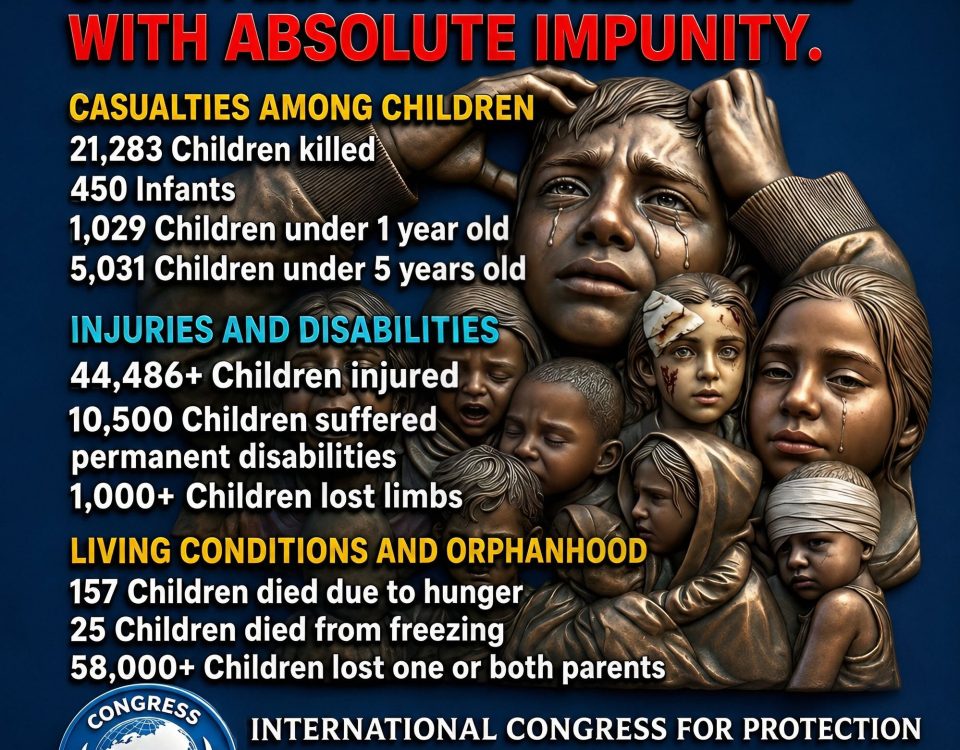
In one study conducted in Palestine, 41% of the children of Gaza revealed a tendency to show moderate-to-severe PTSD symptoms. A different study showed that the incidence of post-traumatic stress in 121 PALESTINIAN children exposed to bombings was twice as high as results found in the previous study; 87% exhibited moderate to severe.
A study carried out on KUWAITI children who had lived through the Gulf war found that 70% of children showed symptoms of PTSD ranging from moderate to severe. During the First World War it was referred to as “shell shock”; as “war neurosis” .Different studies in SYRIA performing to determine the incidence of PTSD but still unknown results. And as “combat stress reaction” during the VIETNAM War. In the 1980s the term Post Traumatic Stress Disorder (PTSD) was introduced – the term we still use today.
PTSD is essentially a memory filing error. It can happen when people are exposed to an extraordinary life-threatening situation which is perceived with intense fear, horror and helplessness. At the time someone is being exposed to this intensely fearful situation, their mind ‘suspends’ normal operations and it copes as well as it can in order to survive. This might involve reactions such as ‘freezing to the spot’ or instead the opposite ‘flight away’ from the danger. Usually the individual is aware of coping in an automated manner. Many Veterans will say later that their ‘training took over’ and they survived. The mind does not lay a memory for the frightening event or events in a normal way because it has delayed this until the danger passes. The rule is that once the danger has passed, the mind will try to file away the memory. This means it tries to file the facts of what happened, the emotions associated with the trauma and the sensations ( touch, taste, sound, vision, movement, and smell).The problem is that when the mind presents the memory for filing it can be very distressing. The mind repeatedly and automatically presents the memory in the form of nightmares, flashbacks and intrusive unwanted memories. These “re-experiencing” phenomena are the mind’s way of trying to file away the distressing memory. The re-experiencing can be very unpleasant and distressing because of the nature of the traumatic experience it exposes the sufferer to. The individual also finds that his or her levels of arousal (awareness) change.
People can become hyper-aroused and suffer intense symptoms of anxiety (both physical: with shortness of breath and a racing heart, as well as emotional: feeling on edge, looking out for signs of danger and being ‘on patrol’ all the time or feeling panicky).Many also feel emotionally numb and have trouble communicating with others without feeling numb or irritable or both.These hyper-arousal and emotional numbness symptoms become so unpleasant that then individual then starts to avoid anything linked to the original trauma, this happens automatically. The person then avoids anything that causes upset or irritation or that might represent danger occurs. Avoidance can become the main coping mechanism in most situations. In the majority of people, however, the three symptom clusters (which represent the immediate psychological reaction to an extraordinary situation) settles down. In some people it can ‘stick’ and become chronic. If this is the case, PTSD may be said to be present. This theory is based in Horowitz’s Information Processing Model.
Symptom clusters:
– Re-experiencing of the traumatic experience
– Hyper-arousal and emotional numbing
– Avoidance.
For treatment to be successful, information processing must be completed. This is why therapies aimed at helping the individual to process and work through the traumatic material are extremely beneficial.
Dr. Feras Alazem