









لقاء الفايز و الشريف في مكتب الامانة العامة لمنظمة الدرع العالمية
24.02.2016Попытка сбросить помощь на город в Сирии закончилась неудачно
25.02.2016Greece has recalled its ambassador to Austria amid sharp divisions among EU states over the migrant crisis.
It acted after Austria hosted a meeting with Balkan states on the migrant issue, to which Greece was not invited.
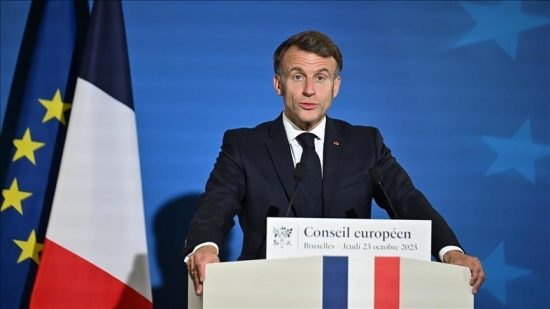
Meanwhile, EU and Balkan interior ministers met in Brussels to try to heal rifts over the migrant issue.
Speaking afterwards, the EU’s migration commissioner warned the bloc’s migration system could “completely break down” within weeks.
Dimitris Avramopoulos said member states had until a 7 March summit with Turkey to curb the number of migrants.
“In the next 10 days, we need tangible and clear results on the ground,” he told reporters.
Austria, Serbia and Macedonia have taken their own steps to limit entry to migrants, angering Greece, which fears the controls will cause a bottleneck. The measures also threaten Europe’s Schengen passport-free travel area that spans 26 countries.
Greece’s foreign ministry said the ambassador was being recalled “in order to safeguard the friendly relations between the states and the people of Greece and Austria”.
Problems facing the EU, it added, could not be addressed with “mentalities and extra-institutional initiatives that have their roots in the 19th Century”.
Speaking in Brussels, Greek Migration Minister Yannis Mouzalas said his country would “not accept becoming Europe’s Lebanon”.
Lebanon is home to about a million of the four million Syrians who have fled to neighbouring countries.
On Wednesday, representatives from 10 Balkan states attended talks in Austria and agreed to co-ordinate action to limit the flow of migrants.
Greece, which was excluded, accused Austria of an “unfriendly act”.
EU interior ministers meeting in Brussels on Thursday heard plans drawn up by Austria and Balkan countries that seek to restrict the numbers crossing their borders.
Measures include fingerprinting all entrants and turning back anyone without a passport or holding fake documents.
The countries have also pledged to accept only those they deem to be in need of protection – interpreted by some governments as meaning only Syrians and Iraqis.
Власти Греции отозвали своего посла из Австрии после того как Вена не пригласила Афины на конференцию по миграционному вопросу.
Посла отозвали для консультаций. В сообщении МИД Греции говорится, что действия Афин объясняются желанием сохранить дружественные отношения между странами.
В среду представители 10 балканских государств присутствовали на переговорах в Австрии. На встрече обсуждались меры по ограничению количества мигрантов.
В Греции, которую на переговоры не пригласили, заявили, что бремя урегулирования миграционного кризиса не должно возлагаться на одну страну.
Австрия и несколько балканских стран намерены ограничить количество мигрантов, что увеличит нагрузку на Грецию, опасаются в Афинах.
На минувших выходных произошел инцидент на македонско-греческой границе. Македония отказалась впускать афганцев. Мигранты начали протестовать, ситуация накалялась, и власти Греции были вынуждены отвезти афганцев в Афины.
В число мер по ограничению притока мигрантов входят снятие отпечатков пальцев у всех, кто пытается пересечь границу. Мигрантам без документов или с поддельными паспортами может быть запрещен въезд.
Некоторые страны просят дать им право впускать только тех мигрантов, которые нуждаются в защите. Европейские чиновники под этой формулировкой понимают граждан Сирии и Ирака.